Is Your HVAC System Trying to Tell You Something? What Indiana Homeowners Need to Know
Your HVAC system is one of the hardest-working parts of your home, and it has a lot to say about how things are going. HVAC inspection in Indiana is a topic that deserves far more attention from homeowners than it typically gets, because by the time a heating or cooling system fails completely, it has usually been sending signals for weeks, months, or even longer. The good news is that knowing what to look and listen for puts you in a much better position to catch problems early, budget smart, and avoid the kind of emergency repair or full replacement that no one wants to deal with in the middle of January or August.
Why Indiana Puts HVAC Systems to the Test
Indiana is not a mild-weather state. Summers in the Indianapolis area and surrounding communities are humid and hot, regularly pushing homeowners to rely heavily on air conditioning from June through September. Winters can be genuinely brutal, with extended cold snaps that keep furnaces working around the clock. That is a lot of demand to place on a single system, and it means Indiana HVAC equipment tends to show its age faster than systems in more temperate climates.
The heating and cooling cycle in central Indiana is also more extreme than in many parts of the country. Constant expansion and contraction from temperature swings put stress on ductwork, connections, and components over time. Add in the fact that Indiana homes frequently have crawl spaces or unfinished basement areas where ductwork runs through extreme temperature conditions, and the case for regular HVAC inspection in Indiana becomes even stronger.
The Warning Signs Homeowners Too Often Ignore
There are several things your HVAC system does before it gives up entirely, and most of them are things a homeowner can notice without any special training. Unusual sounds are one of the clearest indicators. A furnace or air handler that starts banging, rattling, squealing, or clicking is communicating that something inside needs attention. Normal operation should be relatively quiet, and any new or persistent noise is worth investigating.
Uneven temperatures throughout the home are another common signal. If certain rooms feel noticeably warmer or cooler than others, the issue could be ductwork that has developed gaps or disconnections, a blower that is underperforming, or airflow problems that have nothing to do with how the thermostat is set. A system that runs constantly without ever quite reaching the target temperature is telling you the same story.
Higher-than-normal energy bills without a clear explanation are also a red flag. When an HVAC system starts losing efficiency, it has to work harder and longer to produce the same results, and that shows up in your utility costs before it shows up as a breakdown.
What a Home Inspector Actually Looks at During an HVAC Evaluation
During a thorough home inspection, the HVAC system gets more than a quick glance. A qualified inspector evaluates the condition and approximate age of the heating and cooling equipment, checks for visible signs of wear, rust, or damage, and assesses how the system performs during operation. Ductwork is examined for disconnections, improper installation, and areas where conditioned air may be escaping before it reaches living spaces.
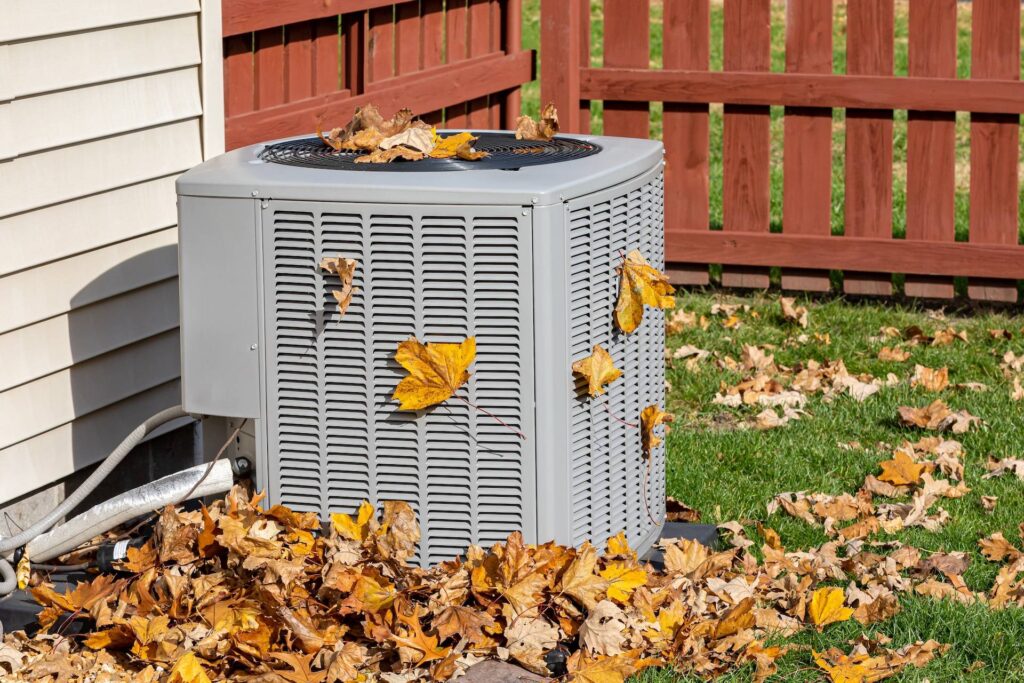
The inspector will also look at the condition of the air filter, the state of the heat exchanger when visible and safely accessible, and any signs that the system has not been regularly maintained. HVAC inspection in Indiana often turns up deferred maintenance that has compounded over time, including dirty coils, blocked drainage lines, or inadequate refrigerant levels in older cooling systems.
Notably, a home inspection report that identifies an aging HVAC system is not just a repair note. It is financial planning information. Knowing that a furnace is 18 years old and showing signs of wear tells a buyer or current homeowner that a replacement should be in the budget within the next few years, even if nothing has failed yet.
How to Stay Ahead of HVAC Problems
The best thing Indiana homeowners can do for their HVAC systems is to treat them as the major mechanical systems they are. Changing filters on a regular schedule is the lowest-effort, highest-impact maintenance task available. A clogged filter restricts airflow and forces the system to strain against resistance, shortening equipment life and reducing efficiency.
Annual professional servicing by an HVAC technician is the next step up. A trained technician can clean components, check refrigerant levels, test electrical connections, and identify wear before it becomes failure. Most manufacturers recommend this kind of service annually, and many homeowners skip it until something breaks.
If you are buying a home, do not assume the HVAC system is in good condition just because it runs during the showing. That is the bare minimum. An HVAC inspection in Indiana during the home inspection process gives you a realistic picture of the system’s condition, its remaining useful life, and any concerns that should be addressed before or at closing.
Frequently Asked Questions About HVAC Inspection in Indiana
How often should the HVAC system in an Indiana home be professionally serviced?
Most HVAC professionals recommend servicing the furnace once a year before heating season and the air conditioning system once a year before cooling season. Indiana’s demanding climate makes that twice-yearly service schedule worth following.
What is the average lifespan of a furnace or air conditioner in Indiana?
Most furnaces are expected to last 15 to 20 years with proper maintenance. Central air conditioning units typically last 12 to 15 years. Systems that have not been regularly maintained often fall short of those ranges.
Can a home inspector tell me if my HVAC system needs to be replaced?
A home inspector can tell you the approximate age and observed condition of the system, note any concerns identified during the inspection, and flag signs of significant wear or deferred maintenance. They cannot definitively diagnose mechanical problems that require specialized HVAC testing equipment, but their findings give you solid information to act on, including whether a second opinion from an HVAC technician makes sense.
Should I have the HVAC system inspected even if the home is newly built?
Yes. New construction homes are not immune to HVAC issues. Improperly installed ductwork, equipment that was not commissioned correctly, or systems that were undersized for the home are all things that can occur in new builds and are worth verifying before the builder’s warranty window closes.
What happens if an HVAC problem is found during a home inspection?
The inspection report documents the findings, and from there it is a matter of deciding how to proceed. In a real estate transaction, a significant HVAC issue is often addressed through repair negotiations, a price adjustment, or a credit at closing. For current homeowners, the report findings serve as a prioritized list of what needs professional attention.
Right-Way Home Inspection, LLC brings precision and clarity to every home evaluation in Brownsburg and throughout the greater Indianapolis area. Ready to find out what your home’s systems are telling you? Schedule Now