Why Mold Testing Matters More Than You Think
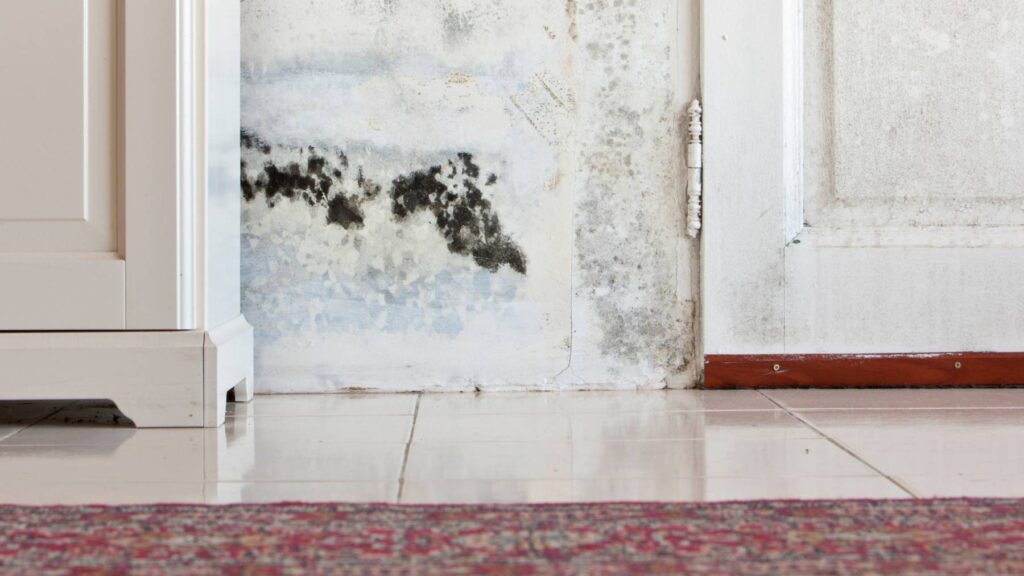
Mold testing is one of those services homeowners rarely think about—until there’s a musty smell, a mysterious stain on the ceiling, or allergy symptoms that just won’t go away. The truth is, mold can develop quietly behind walls, under flooring, or inside HVAC systems long before it becomes visible. By the time it’s obvious, the issue may already be more extensive than expected.
Mold is a natural part of the environment. Outdoors, it plays an important role in breaking down organic matter. Indoors, however, mold growth can create health concerns and damage building materials. Mold testing helps determine whether elevated mold levels are present, what types of mold may be in the air, and whether further action is needed.
For homeowners, mold testing offers clarity. Instead of guessing or relying on over-the-counter kits that often create more confusion than answers, professional testing provides reliable data that can guide next steps with confidence.
What Exactly Is Mold Testing?
Mold testing is a process used to identify and measure mold spores in a home. It typically involves air sampling, surface sampling, or both. Air samples measure the concentration of mold spores inside the home and compare them to outdoor levels. Surface samples are collected from visible growth to help identify the type of mold present.
Professional testing is performed using specialized equipment and laboratory analysis. Samples are sent to an accredited lab, where experts determine the types and quantities of mold spores present. The results are then interpreted in context, taking into account the home’s condition, moisture levels, and ventilation.
The goal of mold testing is not simply to confirm that mold exists—because mold spores are everywhere—but to determine whether there is an abnormal indoor amplification that suggests a problem.
Signs It May Be Time for Mold Testing
There are certain situations where mold testing makes sense. A persistent musty odor is one of the most common warning signs. Water damage from roof leaks, plumbing issues, or flooding also increases the likelihood of hidden mold growth.
Homeowners sometimes notice unexplained allergy-like symptoms that improve when they leave the house. In other cases, a recent home purchase may prompt testing for peace of mind, especially if the property has a history of moisture intrusion.
It’s also important to consider mold testing after major repairs involving water damage. Even if materials appear dry, mold can begin developing within 24 to 48 hours when moisture is present. Testing can confirm whether remediation was fully successful.
How Mold Testing Protects Your Home and Health
Mold doesn’t just stay on the surface. Over time, it can weaken drywall, wood framing, insulation, and flooring. Left unaddressed, minor growth can turn into costly repairs.
From a health perspective, exposure to elevated mold levels may cause irritation, congestion, coughing, or headaches in sensitive individuals. While not everyone reacts to mold the same way, identifying and addressing elevated spore levels can improve indoor air quality and overall comfort.
Mold testing helps avoid unnecessary panic, too. Not every dark spot is toxic mold, and not every home with a small amount of visible growth requires extensive remediation. Testing provides objective data so homeowners can make informed decisions rather than reacting out of fear.
What Happens After Testing?
Once mold testing results are available, the findings are reviewed alongside a visual inspection of the property. If elevated levels are detected, the next step is typically identifying the moisture source. Mold cannot grow without water, so addressing the underlying cause is essential.
In some cases, minor cleaning and improved ventilation may resolve the issue. In others, professional remediation may be recommended. Testing can also be performed after remediation to confirm that spore levels have returned to normal ranges.
The key takeaway is that mold testing is a diagnostic tool. It provides answers. Those answers guide the appropriate solution—no more and no less.
Mold Testing vs. Mold Inspection: What’s the Difference?
Homeowners often hear the terms used interchangeably, but they are not exactly the same. A mold inspection focuses on identifying visible signs of growth and moisture intrusion. Mold testing adds laboratory analysis to determine spore levels and types.
In many cases, both are performed together. An inspection identifies potential problem areas, while testing confirms whether indoor air quality has been impacted. When combined, they offer a comprehensive picture of what’s happening inside the home.
FAQs About Mold Testing
Is mold testing necessary if I can already see mold?
If visible mold is present, testing may not always be required to confirm its existence. However, mold testing can help determine whether the issue has spread beyond what’s visible or if indoor air quality has been affected.
How long does mold testing take?
The sampling process itself typically takes less than an hour, depending on the size of the home. Laboratory results are usually available within a few business days.
Can mold testing tell me if mold is toxic?
Testing can identify the types of mold present. While certain species are associated with toxin production, the presence of a specific type does not automatically mean toxins are present at harmful levels. Interpretation of results should consider overall spore counts and conditions within the home.
Should mold testing be done before buying a home?
In homes with a history of water damage, high humidity, or noticeable odors, mold testing can provide peace of mind during the purchasing process. It offers valuable information before making a long-term investment.
Does homeowners insurance cover mold testing?
Coverage varies by policy and often depends on the cause of the mold. It’s best to review individual insurance details or speak directly with the provider.
Mold issues can feel overwhelming, but they don’t have to be. With the right information and professional testing, homeowners can move forward with clarity and confidence. Whether investigating a concern or simply seeking peace of mind, testing provides answers that help protect both property and health—and working with experienced professionals like Right Way Home Inspection ensures the process is handled thoroughly, clearly, and with your best interests in mind.